
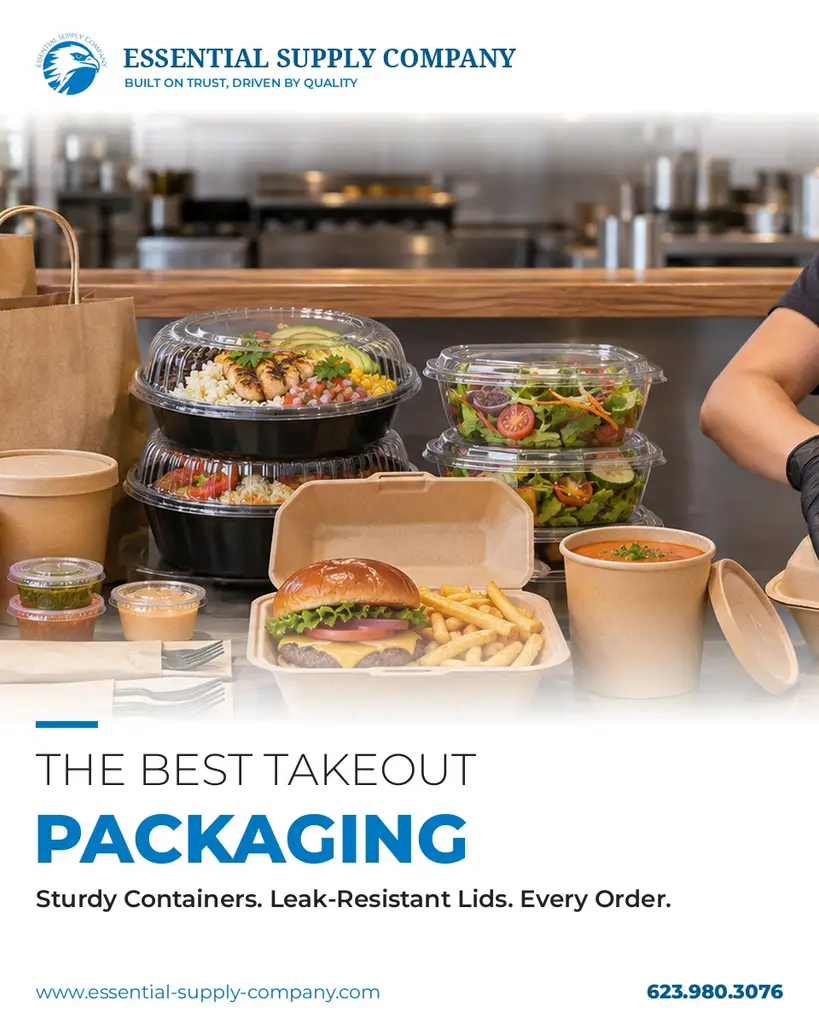
A container that leaks in a delivery bag can undo a great meal fast. So can fries that arrive soft, a soup lid that pops loose, or a cold drink that tips over during pickup. Finding the best takeout packaging for restaurants is not about buying the most expensive option. It is about choosing packaging that protects the food, fits the way your kitchen works, and makes sense for your daily supply budget.
For most operators, the right answer is not one container for every menu item. A busy lunch counter, full-service restaurant, bar kitchen, or catering operation needs a small, reliable packaging system. Each piece should have a clear job, be easy for staff to grab during a rush, and arrive looking clean and secure in the guest’s hands.
Start With the Food, Not the Container
The menu should drive every packaging decision. Before comparing materials or sizes, look at what leaves your kitchen most often and how long it spends in a bag, car, or delivery driver’s hands.
Hot foods with sauce need a secure container and lid that can handle heat without bending or leaking. Soups, curries, grain bowls, and sauced entrees need a tight seal and enough headspace to avoid spills when the container moves. For cold salads, desserts, and deli items, visibility may matter more. A clear lid can help staff verify an order and let guests see the product without opening it.
Fried food creates a different challenge. If steam has nowhere to go, crisp food gets soft quickly. Packaging with the right amount of ventilation can help maintain texture, but too much airflow can also cool food down. Test the container with your actual menu item after a realistic holding and delivery period. What works for chicken tenders may not work for loaded fries or tempura.
Burgers, sandwiches, tacos, and wraps need packaging that keeps the item from shifting or getting crushed. A container that is too large lets food slide around. One that is too tight can damage the presentation before the guest takes a bite. The best fit protects the food without making it difficult to pack.
Best Takeout Packaging for Restaurants Has to Work in a Rush
A package may look good on a sample table and still slow down your line. During service, staff should not need to hunt for matching lids, force containers closed, or wonder which size belongs with which entree. Those small delays add up when tickets are coming in.
Choose a manageable range of container sizes that cover your core menu. Standardizing where you can makes storage easier, reduces ordering mistakes, and helps new staff learn the system faster. It can also cut down on the pile of partially used packaging cases taking up valuable back-of-house space.
Lid compatibility deserves extra attention. Using one lid style across several container sizes can simplify packing, but only if the fit is secure. A loose lid creates costly remakes and unhappy guests. A lid that is overly difficult to remove creates another kind of problem at the table. Staff should be able to close it confidently, and guests should be able to open it without a struggle.
Think through the full order, not just the entree. A meal with a soup, sandwich, side, dessert, and drink may need different packaging than a single bowl. Carry bags should accommodate the container footprint without forcing boxes to stack at an angle. Drink carriers, napkins, utensils, and condiment cups all need a place in the packing routine.
Match Packaging to Pickup, Delivery, and Catering
Pickup orders usually spend less time in transit, but they still need to survive the trip home. Delivery orders often need more protection because they may be carried farther, stacked with other orders, or handled multiple times. Catering adds another level of planning, with larger portions, longer holding times, and a need for clean setup at the destination.
For pickup, focus on a neat presentation, secure closure, and easy handling. Guests should be able to carry their order from the counter to their vehicle without worrying about leaks or weak bags.
For delivery, test how the food holds after it has been packed for 20 to 30 minutes. Check the lid, the temperature, the texture, and whether sauces have moved into the wrong compartment. A small adjustment, such as separating a cold topping from a hot item, can protect food quality better than changing every container in the operation.
For catering, consistency matters. Packaging should help staff portion accurately, label items clearly, and transport food in an organized way. It also needs to support the guest experience once the order is opened. A container that works well for one serving may not be the right choice for a group meal.
Control Cost Without Cutting Corners
The lowest per-piece price is not always the lowest operating cost. A cheaper container that leaks, cracks, or fails to hold heat can lead to remakes, refunds, wasted food, and negative feedback. On the other hand, using a premium container for every item can raise costs without improving the guest experience.
Look at packaging cost by menu item and by order type. An entree that travels well in a standard container does not need an upgraded option simply because another item on the menu does. Build your packaging choices around actual risk: liquid, heat, weight, travel time, and presentation.
Portion control matters here too. Containers should fit the intended portion. Oversized packaging can make a serving look small and adds unnecessary material to every order. Containers that are too small lead to overfilled lids, messy bags, and inconsistent portions. When the container and portion are aligned, staff can move faster and food costs are easier to manage.
It is also worth reviewing how much extra packaging goes into each ticket. Guests need the essentials, but adding utensils, napkins, condiment packets, and bags automatically to every order can create waste and inflate supply usage. Set clear standards for staff so the right items go out with the right meal.
Protect Food Quality and Guest Confidence
Takeout packaging is part of the meal. It tells guests whether their order was handled with care. Clean, sturdy containers and properly packed bags make a difference before the food is even opened.
Use clear labeling practices that help prevent mix-ups. Order names, item details, dietary requests, and sauce placement are easier to manage when the packaging system is organized. Tamper-evident options may also make sense for delivery orders, depending on your operation and the expectations of your guests.
Do not overlook the small pieces. A flimsy utensil, a napkin shortage, or a condiment cup without a secure lid can leave a stronger impression than the container itself. Build a packing station where the essentials are stocked, easy to reach, and checked before each shift.
Keep Your Packaging Program Easy to Manage
Packaging problems often start with purchasing, not service. A restaurant may have the right container selected but run out of lids, order too many slow-moving sizes, or receive supplies on a schedule that does not match actual volume. That puts managers back in emergency-buying mode when they should be focused on service.
Track your most-used packaging items and watch for changes in sales patterns. Busy weekends, seasonal menu changes, catering events, and delivery promotions can all affect usage. A regular supply review helps you spot products that are moving too quickly or taking up shelf space without earning their place.
Working with one local supplier can make this easier. Essential Supply Company helps Arizona operators align foodservice disposables with the rest of their recurring needs, including paper products, gloves, film, cleaning supplies, and delivery schedules. That means fewer separate orders to manage and a clearer view of what your operation uses each week.
The right packaging should protect your food, support your team, and keep supply spending under control. Start with the meals your guests order most, test them under real conditions, and keep only the options that earn their space on the shelf. That is the kind of practical choice that keeps a busy kitchen moving – Built on Trust, Driven by Quality.