
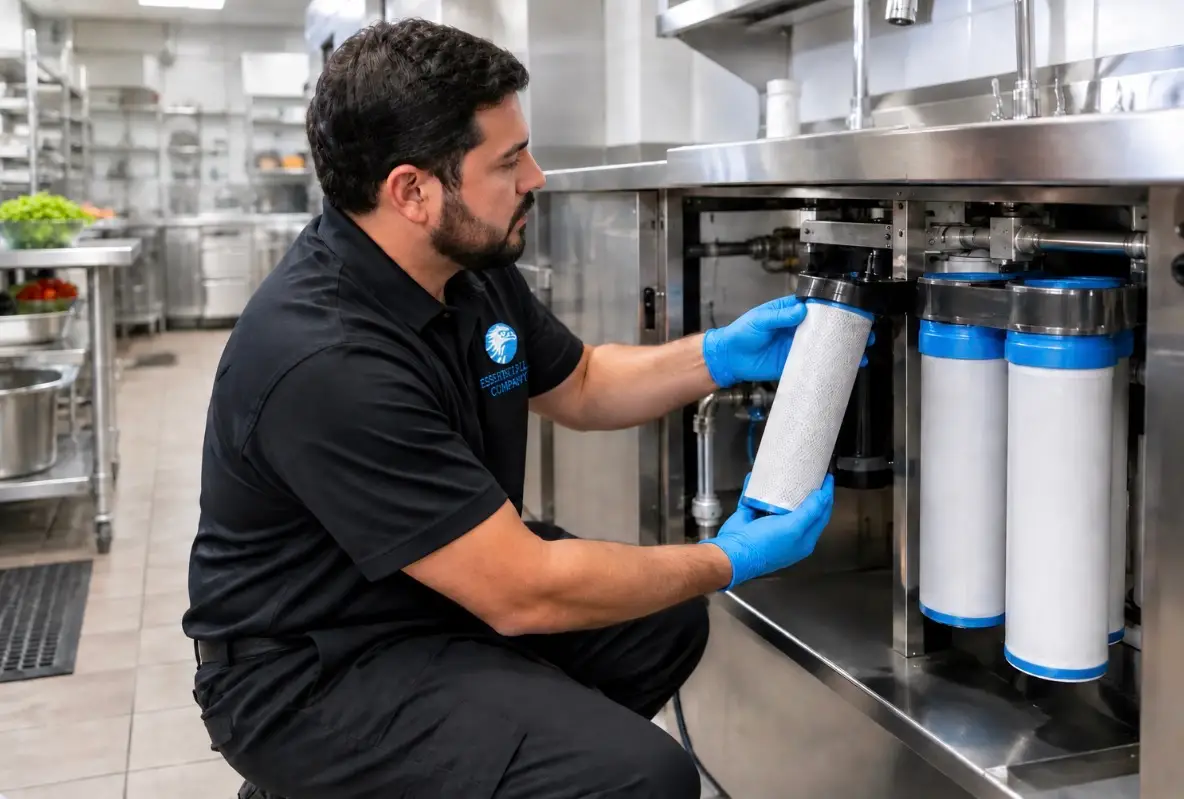
A dish machine that suddenly leaves spots on glassware can turn a busy service into a cleanup problem. The cause is not always the machine or the chemical. Often, it is a water filter that has reached the end of its useful life. Knowing when to replace water filters helps protect equipment, support consistent wash results, and prevent small water-quality issues from becoming downtime.
For a commercial kitchen, hotel, bar, or facility, filter replacement should be part of regular equipment care, not an afterthought when results decline. The right schedule depends on your water conditions, equipment, volume, and the type of filtration in place.
When to Replace Water Filters: Start With Capacity
Every commercial water filter cartridge has a rated capacity. That capacity estimates how much water the filter can treat before it needs replacement under specific water conditions. It is useful, but it is not a fixed calendar promise.
A high-volume restaurant may use its filter capacity much faster than a low-volume operation with the same equipment. A dish machine running through breakfast, lunch, and dinner puts far more demand on the system than one used for a short daily service. Laundry equipment, ice machines, beverage stations, and combi equipment can add to the load when they share a water treatment program.
Arizona water conditions can also affect cartridge life. Mineral content and sediment vary by location and can shorten a filter’s effective service interval. That is why a replacement date should be based on actual use and water conditions, not only the date written on the last service tag.
Your service provider should document the cartridge type, installation date, expected replacement interval, and the equipment it supports. This gives managers a clear starting point and avoids relying on memory during a busy shift.
Signs Your Filter May Need Replacement Sooner
A filter can need attention before its planned service date. The most visible sign is often a change in the finished result. If glassware, plates, utensils, or pans begin showing more spots, film, or residue after washing, water quality may be part of the problem.
Other signs can include a slower fill rate, reduced water flow to connected equipment, recurring scale buildup, or a drop in the performance you normally expect from a dish machine. In some cases, staff may notice that warewashing chemicals seem less consistent even though dosing has not changed. Water quality affects how chemicals perform, so a filtration issue can look like a chemical issue at first.
These symptoms do not automatically mean the filter is the cause. A dish machine may need service, chemical dispensing may need adjustment, or staff may need a quick refresher on loading and operation. The point is to investigate early. Waiting until dishes are coming out unacceptable can create rewash labor, waste, guest-facing problems, and pressure on an already busy team.
Do Not Wait for Equipment Problems
Filters protect more than the appearance of clean ware. Depending on the setup, they can help reduce sediment and minerals that contribute to buildup inside water-using equipment. When a cartridge is overdue, that protection can decline.
Over time, buildup can affect spray components, heating areas, valves, and other equipment surfaces. It may reduce efficiency and lead to service needs that could have been avoided with consistent filter maintenance. The same concern applies to ice equipment and other systems where water quality has a direct effect on performance and maintenance requirements.
Replacing filters on schedule is usually easier to plan than responding to equipment trouble in the middle of service. A scheduled visit gives the team time to inspect the system, replace the correct cartridge, check related equipment, and leave clear documentation for the next service date.
Build a Replacement Schedule Around Your Operation
The best filter schedule is specific to your operation. Start by looking at which equipment uses treated water, how many hours it operates, and how much water it uses during a normal week. Then account for seasonal changes. A hotel with higher occupancy, a restaurant entering its busy season, or a catering kitchen preparing for large events may use capacity much faster than usual.
A practical schedule should include four things:
- the filter type and location
- the equipment it supports
- the installation and expected replacement date
- a process for checking performance between service visits
This record does not need to be complicated. It needs to be visible and reliable. A label at the system, a maintenance log, or a service report can all work when someone owns the follow-up.
If different equipment has different filtration needs, do not assume one schedule covers everything. The filter serving a high-use dish machine may need attention on a different cycle than filtration serving another piece of equipment. Grouping all filters into one vague annual task can lead to missed replacements or unnecessary changes.
Why Water Filters Affect Warewashing Results
Commercial warewashing depends on several systems working together: water, chemistry, machine function, and staff procedures. When water quality changes, the rest of the process can feel the effect.
Minerals in water can contribute to spotting and film. Sediment can restrict flow or affect components over time. As filter performance declines, the dish machine may have to work harder to produce the same result. Managers may respond by changing chemical use or running items again, but that can increase consumption and labor without fixing the underlying issue.
This is why a good service review looks at the whole operation. The right question is not simply, “Is the filter old?” It is, “Is the water treatment system supporting the results this kitchen needs?” That approach helps avoid replacing the wrong part or treating symptoms instead of the cause.
Keep Staff From Carrying the Whole Burden
Kitchen teams are already managing prep, service, cleaning, receiving, and staffing changes. They should not have to guess whether a filter is overdue or troubleshoot water quality on their own.
Assign filter oversight to a manager, maintenance lead, or service partner. Staff can still report what they see, such as spotting, slow machine performance, or unusual buildup. Those observations are valuable because the people working at the machine every day often notice changes first.
Clear communication also matters when a cartridge is replaced. The manager should know what was serviced, what equipment it supports, and when the next review is expected. That makes it easier to connect a future performance issue to the right system instead of chasing several possible causes during a rush.
Use Filter Service as Part of Preventive Maintenance
Filter replacement works best when it is connected to a broader preventive maintenance plan. If you already schedule dish machine service, chemical checks, and supply deliveries, water filtration belongs in that conversation. Bringing those needs together reduces the chance that one critical task gets missed because it sits with a different vendor or a different calendar.
Essential Supply Company helps Arizona commercial operations coordinate water filtration service with warewashing support, chemical management, staff training, and ongoing supply needs. That means the team can look beyond a single cartridge change and help identify what is affecting daily results.
The goal is not to replace filters earlier than necessary. It is to replace them before declining performance affects your equipment, labor, cleanliness, or guest experience. A planned schedule controls the work. A reactive schedule lets the problem control the day.
When glassware starts losing its shine or a dish machine begins acting differently, treat it as an early signal. Check the filter history, review the equipment, and get the right support in place. A small maintenance decision can keep a busy kitchen moving when it matters most.